



The Washington Post has delved into the realm of government corruption and incompetence, often focusing on national-level investigations. However, the paper now sheds light on the inadequate oversight and protection for property insurance in Florida. The recently published piece, titled “How Florida Failed Homeowners During Crucial Times: A Deep Dive,” is a crucial read for anyone considering insurance in Florida.
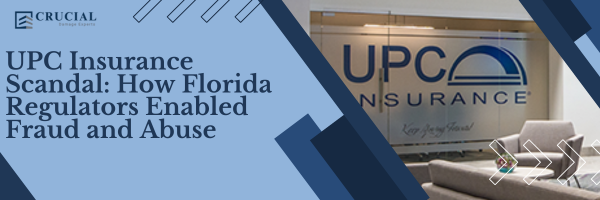
Florida’s new insurance commissioner, Michael Yaworsky, asserted that state regulators closely monitored UPC’s actions and financial standing. Yaworsky emphasized their proactiveness in responding to the evolving situation with UPC.
However, a major challenge, as Yaworsky pointed out, was the limited authority to regulate parent companies’ actions and financial decisions. Despite new legislation like the Insurer Accountability Act, which aimed to empower regulatory agencies, the final version lacked stringent provisions. Authorities have committed to thoroughly investigating UPC’s behavior and allegations of misconduct.
Experts in insurance and finance assert that UPC’s business model reflects a lenient regulatory environment that hampers Florida residents’ recovery after disasters. The state’s insurance regulations have granted significant flexibility to companies, allowing them to profit in calm times and escape liability during crises.
UPC’s unjust denial of claims was previously criticized in articles such as “Zeroed Out Hurricane Claims and Unfair Claims Practices.” However, Florida’s legislators and regulators were accused of not taking sufficient action against such behavior. Surprisingly, instead of curbing such practices, lawmakers passed legislation that seemed to protect wrongdoers.
The Washington Post noted that Jimmy Patronis and the Office of Insurance Regulation failed to address these wrongdoings:
Patronis and his department did not respond effectively. The Department of Financial Services looked into allegations but closed the investigation due to lack of cooperation from an adjuster, who offered a virtual interview due to prior commitments. The adjuster’s emails went unanswered.
The American Policyholder Association, a consumer protection watchdog, sent complaints to regulators about UPC’s claims manipulation. The complaints contained evidence, yet the regulatory agencies passed responsibility back and forth for months.
The Office of Insurance Regulation claimed prior monitoring as the reason for not intervening. The American Policyholder Association was credited for revealing this fraudulent behavior.
Kudos to The Washington Post and reporter Brianna Sacks for their diligence in uncovering this misconduct. Their investigative efforts surpassed expectations, as seen in their prior article’s about insurance company corruption.