




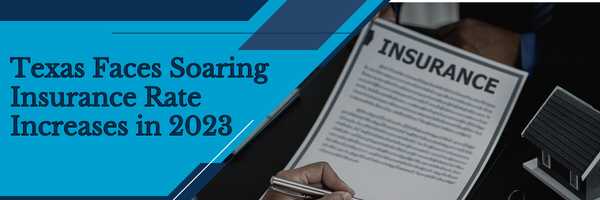
Texas is no stranger to adversity, weathering hailstorms, ice storms, lightning strikes, fierce winds, flooding, wildfires, and reckless drivers. However, amidst all these challenges, there is another persistent threat that Texans can’t seem to escape: escalating insurance rates.
S&P Global Market Intelligence closely monitors this concerning trend, and the headlines and reports are far from reassuring. In the fourth quarter of 2022, regulators approved 32 rate increase requests in Texas, projecting a staggering $425.5 million industrywide premium surge, the largest among all states during that period. Auto insurance rates in Texas also witnessed significant hikes, with some insurers planning further increases, ranking among the state’s most substantial in history.
The year 2023 has seen no respite from rate hikes, as the state database already contains 96 entries detailing requests to raise homeowners insurance rates, averaging at 13.3%. Private auto insurance rates have not been spared either, with 221 entries for increase requests, averaging at 10.3%. These increases have adversely affected Texans’ bills-to-income ratio, adding financial strain to households.
Insurance companies attribute the surging rates to their financial equations taking a hit. They use a metric called the loss ratio, comparing the amount of insurance claims and company costs to their premium income. Historically, a lower loss ratio is preferable for insurers. However, the loss ratio for auto policies rose from 67% (between 2012 and 2020) to almost 74% in 2021 and hovered around 70% in 2022, resulting in reduced profitability. Similarly, the loss ratio for homeowners’ policies increased from 59% (between 2012 and 2020) to a staggering 104% in 2021, indicating that insurers paid out more in claims than they collected in premiums.
As insurance savings become scarce, consumers may still find ways to reduce costs by shopping around and comparing policies annually. The article also provides suggestions on lowering both home insurance and auto insurance expenses.