




In a concerning turn of events, insurance companies are once again under scrutiny for their questionable actions. A Californian homeowner, CJ Sveen, found himself in a distressing situation when his homeowner’s insurance was abruptly revoked by the California State Automobile Association Insurance Group (CSAA). The reason? A classic 1966 Chevrolet Corvair, a cherished vintage car owned by Sveen, was deemed a “dilapidated car” and cited as the cause for policy termination. This incident sheds light on the alarming practices some insurance companies employ, raising questions about fairness and privacy.
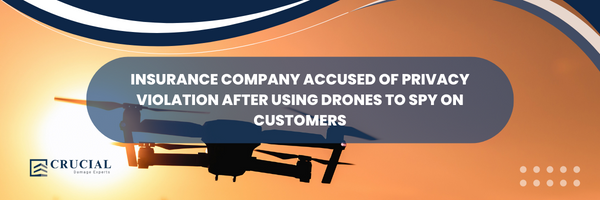
Sveen’s dismay was palpable as he tried to comprehend the rationale behind the insurance company’s decision. Initially, he was informed that drone photos taken over his property had revealed hazards, leading to the policy cancellation. Curiously, when he requested to see the pictures, he was met with refusal. The situation took a perplexing twist when CSAA denied the use of drones altogether and claimed to rely on “aerial photos” instead. Sveen felt his privacy had been violated, and he was left helpless, unable to reinstate his policy.
A perplexing aspect of the case is that Sveen’s residence is not situated in a fire-prone area, and he has never filed a claim during his 15-year tenure with the company. The notice from CSAA indicated that the decision was based on the presence of “debris, hazardous conditions, tires, or a dilapidated car” in his yard.
However, the plot thickened when CSAA backtracked on its initial statement about using drones for surveillance. In a subsequent communication, the company stated that it does not employ drones to monitor insured properties. Instead, it relies on “proprietary aerial imagery” to assess risk, potentially captured through methods such as fixed-wing airplanes or satellites.
This incident involving Sveen’s cherished vintage car and the subsequent termination of his homeowner’s insurance policy highlights the need for transparency and fairness in the insurance industry. It underscores the importance of customers’ rights to understand the basis for policy decisions and the necessity for insurance companies to uphold privacy standards while assessing risk factors. As the story unfolds, it prompts a broader conversation about the practices of insurance companies and the potential consequences for policyholders.